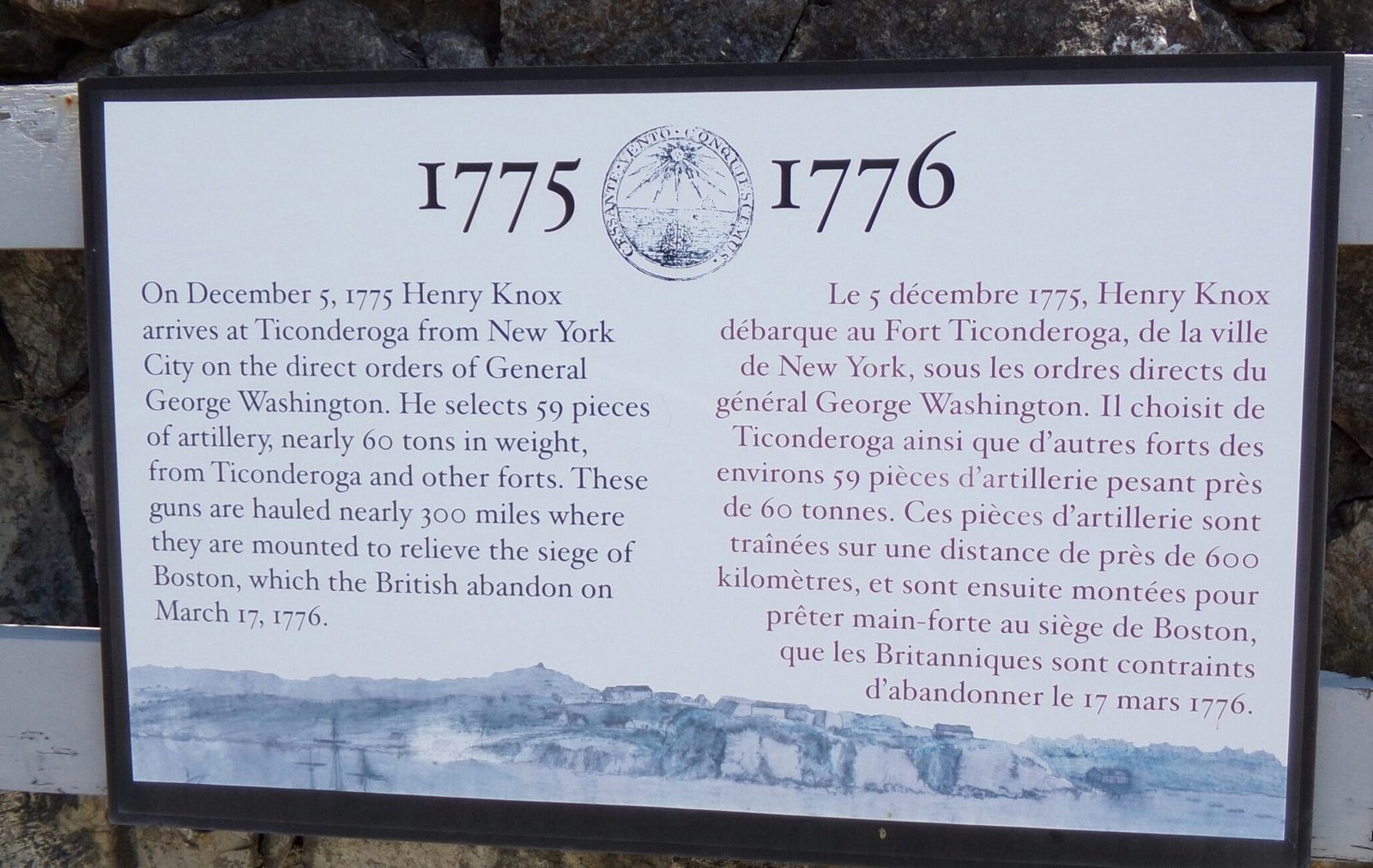
Introduction to the American Revolution
The American Revolution was a pivotal event in history, marking the transition of thirteen American colonies from British rule to independence. Spanning from 1775 to 1783, this conflict was rooted in widespread discontent among the colonists regarding British governance and its increasing control over their lives. Many colonists believed that they were being treated unfairly, particularly concerning taxation without representation in the British Parliament. This situation created a sense of injustice and fueled a desire for autonomy.
A revolution, by definition, is a significant and often violent change in political power or organizational structures. The American Revolution epitomized this concept as the colonists fought against the British monarchy, seeking the right to govern themselves. This struggle was not merely about political freedom; it encapsulated the broader ideals of liberty, equal rights, and self-determination. Colonists were inspired by Enlightenment thinkers, whose ideas encouraged them to question traditional authority and champion democratic principles.
Preceding the revolution, several key events intensified tensions, such as the Boston Tea Party and the imposition of various acts aimed at controlling colonial trade and finances. These acts, perceived as oppressive, galvanized many colonists to organize and resist British mandates. Groups like the Sons of Liberty emerged, uniting people from diverse backgrounds in defiance of British policies. The call for independence resonated with a wide array of colonists, fueling a collective effort that would eventually lead to a new nation founded on the principles of freedom and equality.
In understanding the American Revolution, it becomes clear that this struggle was not just a fight for independence; it was a movement that redefined what it meant to be free in a society. The echoes of this revolution continue to influence democratic ideals across the globe today.
The Causes of the American Revolution
The American Revolution was a significant event in history, primarily fueled by a series of grievances held by the American colonies against British rule. A pivotal cause was the imposition of taxation without representation. The British government levied various taxes on the colonists, such as the Stamp Act and the Townshend Acts, which angered many colonists who felt they were unfairly burdened. The prevalent belief was that they should not be taxed without having elected representatives in the British Parliament. This sentiment resonated deeply, laying the groundwork for revolutionary thoughts among the colonies.
Another crucial event igniting the revolutionary fervor was the Boston Tea Party. In December 1773, a group of colonists, frustrated by the tea tax imposed by the British, dressed as Native Americans and boarded British ships. They proceeded to throw chests of tea into Boston Harbor as an act of protest. This act of defiance symbolized the colonists’ resistance to British rule and became a rallying point for other colonies to unify against what they perceived as oppressive governance.
Additionally, the growing desire for independence among the colonies played a fundamental role in the path toward revolution. Many colonists began to see themselves as distinct from their British counterparts. They yearned for self-governance, as well as the ability to make decisions that affected their daily lives. Groups like the Sons of Liberty emerged, promoting the idea of independence and encouraging the masses to resist British control. This collective yearning for liberty and self-determination ultimately set the stage for a revolution that would reshape the American landscape.
Key Figures in the American Revolution
The American Revolution was not merely a conflict; it was a defining event shaped by several key figures whose contributions were instrumental in the quest for independence. One of the most pivotal leaders was George Washington, who served as the commander-in-chief of the Continental Army. Washington’s military strategy and leadership were crucial in securing victory against British forces. His ability to inspire and unify the troops helped forge a strong sense of American identity, ultimately leading to the successful establishment of the United States.
Another prominent figure was Thomas Jefferson, who is best known for drafting the Declaration of Independence in 1776. This document articulated the colonies’ aspirations for freedom and articulated the principles of individual rights and government by consent. Jefferson’s philosophical ideas, which emphasized liberty and democracy, influenced not only the revolution but also the foundational values of the nation. After the war, he became the third president of the United States, continuing his contributions to the nation.
Additionally, Benjamin Franklin played a vital role through his diplomatic efforts. As a statesman, he was instrumental in gaining French support for the American cause, which proved to be a turning point in the war. Franklin’s charm and intellect facilitated key negotiations and ultimately led to the Treaty of Paris in 1783, which recognized American independence. His multifaceted contributions as a scientist, inventor, and writer helped shape the cultural and intellectual landscape of the new nation.
These figures—Washington, Jefferson, and Franklin—represented the diverse talents and commitment found among those who fought for America’s independence. Their actions and legacies continue to influence the United States and its values today.
Major Battles and Events
The American Revolution was marked by several significant battles and events that played crucial roles in shaping the outcome of the conflict. Among the first of these was the Battle of Lexington and Concord, which occurred on April 19, 1775. This confrontation was significant as it marked the beginning of open hostilities between the Thirteen Colonies and Great Britain. The battles showcased the determination of the colonial militia and signaled that the quest for independence was underway. The phrase “the shot heard ’round the world” originates from this battle, signifying its historical importance.
Another pivotal moment came during the Battle of Saratoga in 1777. Often regarded as the turning point of the war, this battle consisted of two significant engagements and represented a major victory for the American forces. The defeat of British General Burgoyne convinced France to formally ally with the colonists, providing much-needed military and financial support. The involvement of France was instrumental in shifting the balance of power and boosting colonial morale.
Finally, the Siege of Yorktown in 1781 marked the definitive end of major fighting in the American Revolution. The combined forces of American troops and French allies effectively trapped British General Cornwallis, leading to his surrender on October 19, 1781. This momentous event not only signified a major victory for the colonists but also highlighted the effectiveness of international cooperation in achieving military goals. The surrender at Yorktown ultimately led to negotiations that would result in American independence, making these battles and events crucial chapters in the narrative of the American Revolution.
The Declaration of Independence
The Declaration of Independence stands as one of the most significant documents in American history. Drafted in 1776, this foundational text marked the formal assertion by the Thirteen Colonies of their intent to separate from British rule. The principal author was Thomas Jefferson, who was aided by John Adams, Benjamin Franklin, and other members of the Continental Congress. The Declaration not only announced the colonies’ desires for independence but also laid the philosophical groundwork for the new nation.
At the heart of the Declaration are key phrases that highlight the beliefs in individual freedoms and rights. The famous assertion that “all men are created equal” underscores the notion that everyone possesses inherent rights, which are not bestowed by rulers but are self-evident. Among these rights, the Declaration identifies “life, liberty, and the pursuit of happiness” as fundamental, emphasizing the importance of personal freedom and the pursuit of one’s ambitions. This was a revolutionary idea at the time, challenging the established norms of monarchy and autocratic rule.
The significance of the Declaration of Independence cannot be overstated. It served not only as a statement of intent but as a rallying cry for unity among the colonies. It articulated the reasons for breaking away from British governance, detailing a long list of grievances against King George III that illustrated the colonies’ struggles for autonomy. Furthermore, the Declaration became an enduring symbol of democratic ideals, inspiring future generations and other nations in their quests for freedom and self-determination.
In conclusion, the Declaration of Independence was pivotal in the American Revolution, encapsulating the core values that would shape the United States. Its principles of freedom and equal rights remain integral to the American identity today.
Support from Allies
The American Revolution was not solely a domestic struggle; it was significantly influenced by the support received from allied nations, most notably France and Spain. From the outset of the conflict, it became apparent that the thirteen colonies needed more than just their resolve to combat British forces. The alliances formed during this period played a crucial role in shaping the outcome of the war.
France, in particular, emerged as a key ally after recognizing the potential of the American cause to undermine British power. Following the American victory at the Battle of Saratoga in 1777, France formally entered the war in 1778, providing the colonists with vital military aid, supplies, and troops. This support was instrumental in enhancing the military capabilities of the Continental Army. The French Navy, which was superior to British naval forces, also played a significant role in key battles, effectively blocking British reinforcements and supplies from reaching their troops.
Spain, although not officially aligned with the American colonists, also contributed to the revolutionary efforts. The Spanish colonies in the Americas provided financial support, and Spanish Governor Bernardo de Gálvez in Louisiana led military campaigns against British positions in the Gulf Coast region. These actions diverted British resources and attention, further weakening their hold on the colonies.
Furthermore, the involvement of these allies encouraged others to consider support for the American fight for independence. The diplomatic efforts led by Benjamin Franklin in France were pivotal in securing not just military assistance, but also financial loans that helped sustain the revolutionary cause. The alliances with France and Spain underscored the importance of international support during the American Revolution, showcasing how cooperative resistance against a common adversary can alter the course of history.
The End of the American Revolution
The American Revolution officially came to an end in 1783 with the signing of the Treaty of Paris, an agreement that marked a significant turning point in the history of the United States. This treaty was the culmination of numerous battles, diplomatic negotiations, and the indomitable spirit displayed by the American colonists in their quest for independence from British rule. The Treaty of Paris not only recognized the sovereignty of the United States but also established its borders, which were defined by the Mississippi River to the west, Canada to the north, and Florida to the south.
The conclusion of the American Revolution had far-reaching implications for the fledgling nation. For one, it symbolized a triumph of democratic ideals over monarchical oppression. The war fostered a collective national identity among the thirteen colonies, uniting them under a common goal of independence and self-governance. Additionally, the successful outcome of the revolution inspired other nations and movements across the globe seeking to pursue similar democratic aspirations and self-determination.
Beyond political independence, the aftermath of the revolution led to significant social and economic changes within the United States. The war had disrupted traditional economic patterns and spurred the emergence of new domestic markets and trade relationships. The ideology of liberty and equality gained momentum, setting the stage for future movements that would address the rights of various groups, including women and enslaved individuals. The Revolution also brought to the forefront discussions on governance, leading to the drafting of the United States Constitution, which would establish the framework of the nation’s government and protect the rights of its citizens.
In summary, the end of the American Revolution and the subsequent Treaty of Paris were instrumental in shaping the future of the United States. The victory not only ensured independence but also laid the groundwork for a nation committed to democracy, equality, and the pursuit of liberty for all its inhabitants.
The Impact of the Revolution on America
The American Revolution, which took place from 1775 to 1783, had a profound impact on the newly formed United States, fundamentally reshaping its political, social, and economic landscapes. The end of British colonial rule allowed the thirteen colonies to establish a government based on the principles of democracy and individual rights. This shift instigated a movement towards self-governance, which was a radical departure from monarchical systems prevalent in many parts of the world at the time.
One of the cornerstones of this new government was the Constitution, ratified in 1788. It not only outlined the structure of the government but also emphasized the importance of a balance of power among the different branches—executive, legislative, and judiciary. This framework aimed to prevent tyranny and protect citizens’ rights, fostering an environment where freedom of speech, religion, and assembly could flourish.
Furthermore, the American Revolution catalyzed the creation of the Bill of Rights, adopted in 1791. These ten amendments to the Constitution enshrined fundamental freedoms and liberties, addressing the concerns of those who feared the potential for government overreach. The Bill of Rights guaranteed protections such as the freedom of expression and the right to a fair trial, solidifying the notion that the power of government derives from the consent of the governed. This place of primacy for individual rights has influenced myriad democratic movements globally.
In addition to legislative changes, the ideology of liberty and equality fostered by the Revolution inspired social reforms and a greater commitment to civil rights. While these changes did not instantly resolve all issues related to inequality, they laid the groundwork for ongoing struggles and advocacy throughout American history. Thus, the impact of the American Revolution extended beyond mere independence; it established the ideals of freedom and democracy that continue to shape the United States today.
Conclusion and Legacy
The American Revolution marked a pivotal moment in history, fundamentally shaping the United States and its path toward independence. From the initial discontent with British rule to the declaration of independence in 1776, the journey encapsulated a collective quest for freedom and self-governance. This revolutionary event demonstrated the power of unity and determination, showcasing how the colonists banded together to fight for their rights and liberties.
The significance of the American Revolution extends beyond the mere establishment of a nation; it laid the groundwork for a new system of governance based on the principles of democracy and individual rights. The ideals of liberty, equality, and justice, which emerged from this conflict, continue to resonate throughout the fabric of American society, influencing governmental structures and civil rights movements. Children today can reflect on how these ideals have allowed them to experience freedoms that others around the globe may still be striving for.
Moreover, the legacy of the American Revolution encourages young minds to understand the value of standing up for their beliefs. It serves as a reminder that history is not just about past events; rather, it shapes the present and future. By learning about the struggles and triumphs of their predecessors, children can recognize their role in maintaining and advocating for the freedoms granted to them. They are encouraged to think critically about how these historical lessons apply to their lives now and how they can participate in their communities.
In conclusion, the American Revolution is more than a historical event; it is a testament to the enduring spirit of people striving for freedom and justice. Understanding its legacy enables children to appreciate the sacrifices made for their rights and empowers them to be informed and active citizens in a democratic society.