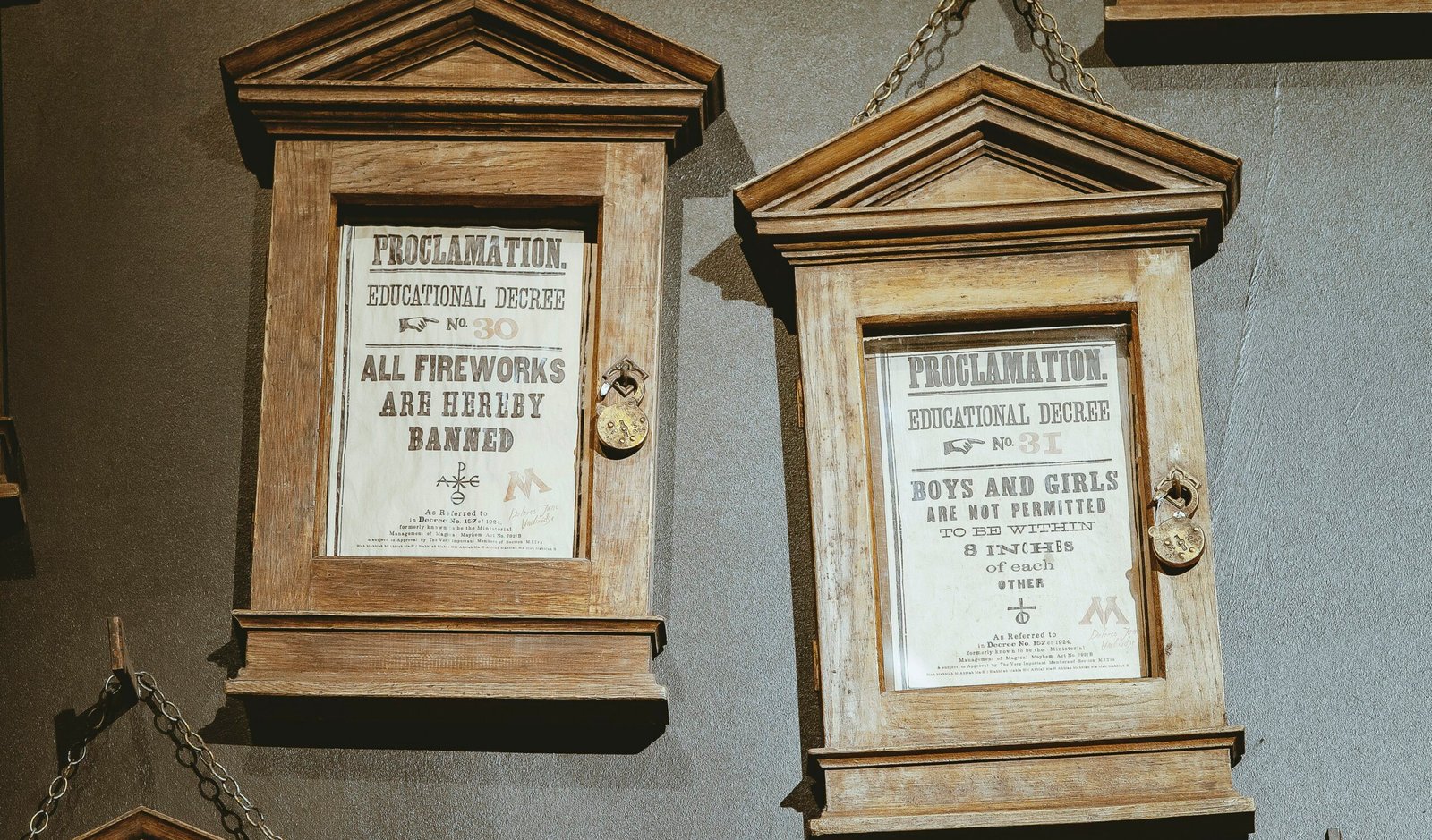
Introduction to Weird Laws
Throughout history, societies have established laws that reflect their unique cultural landscapes, values, and societal norms. Some of these regulations may appear perplexing, if not outright absurd, to contemporary audiences. This phenomenon invites us to explore the realm of bizarre laws—those that defy logic or seem to have little relevance to our modern understanding of governance and justice. By examining these odd regulations, we not only entertain our curiosity but also gain valuable insight into the historical context that prompted their creation.
The enactment of unusual laws was often rooted in specific circumstances or societal necessities at the time. For instance, certain regulations aimed to address public health concerns or regulate behavior deemed detrimental to community harmony. Others may have emerged from superstitions, fear of the unknown, or attempts to enforce moral standards. These bizarre laws serve as a lens through which we can reflect on changing values and the evolution of legal systems over centuries.
The Origins of Peculiar Legislation
The historical context that has given rise to bizarre laws often reveals much about the societal issues, cultural beliefs, and political climates of the times. Throughout history, lawmakers have addressed practical concerns, social norms, and even superstition, resulting in peculiar regulations that may seem outlandish by contemporary standards. The intertwining of various influences has crafted bizarre legislation, which, at first glance, can appear irrational yet serves a purpose rooted in its time.
For instance, during the medieval period in Europe, the fear of witchcraft led to an array of laws aimed at controlling suspected witches. These laws, heavily influenced by superstition and societal panic, often sanctioned harsh penalties, including torture and execution, under the premise of protecting the community. Such legislation demonstrates how cultural fears can manifest into bizarre legal frameworks designed to exert social control and ensure conformity to societal norms.
In other cases, the peculiar laws emerged from practical concerns. In Ancient Rome, for example, certain regulations stipulated that citizens must douse their fires before entering public spaces to prevent accidental fires in crowded areas. While this may seem trivial today, the seriousness of fire hazards in densely populated cities warranted such legislation, indicating a proactive approach to community safety.
The influence of political climates has also played a significant role in the development of bizarre regulations. During times of war or political unrest, governments may enforce peculiar laws to suppress dissent or maintain order. Historical examples include the stringent regulations imposed during the French Revolution, which aimed to control public behavior and ideology, thereby shaping a society according to specific political objectives.
Ultimately, exploring these origins sheds light on the diverse factors that contribute to the formulation of peculiar laws, illustrating the intersection of history, culture, and societal beliefs. The intricate tapestry of human experience thus manifests in the often strange and quirky regulations that have persisted through time, challenging our understanding of law and order.
Medieval Madness: Laws from the Dark Ages
The Medieval period, often characterized by its stringent societal controls and unusual legal regulations, introduced an array of bizarre laws that governed nearly every aspect of daily life. These curious rules often reflected the values, fears, and ideologies of the time, demonstrating the extent to which authority sought to maintain control over its subjects. One of the most notable examples is the harsh penalties enacted for alleged witchcraft. Accusations of witchcraft could lead to severe consequences, including execution, as societies grappled with superstition and the fear of the unknown. Trials were often based on dubious evidence, reflecting the deep-seated paranoia of the age.
In addition to the unfortunate laws regarding witchcraft, sumptuary laws also flourished during this era, dictating what individuals could wear based on their social rank. These regulations aimed to reinforce hierarchical distinctions by specifying acceptable materials, colors, and styles of clothing. For example, while the nobility could adorn themselves in luxurious fabrics like silk and fur, commoners were limited to coarse textiles, a clear visual indicator of one’s social status. Such laws were ostensibly intended to promote moral values and humility, but they often resulted in ridicule for those who did not conform.
Furthermore, the Medieval legal landscape was littered with regulations concerning mundane aspects of everyday life. Some communities enforced laws that detailed the precise behavior of citizens, from the acceptable noise levels during communal sleeping hours to the manner in which one consumed food. Even something as simple as the act of wearing a hat could be regulated based on location or status, illustrating an obsession with order and conformity. These examples of medieval legislation underscore a period in history where even trivial matters were tightly governed, reflecting society’s obsession with control and the need for clear hierarchies.
Colonial Curiosities: Unusual Laws in Early America
The formation of the early American colonies was marked by a complex interplay of freedom and regulation, leading to the enactment of numerous bizarre laws that reflected the social, moral, and economic fabric of the time. Among these, the so-called ‘blue laws’ stand out as peculiar regulations that dictated conduct and behavior, especially on Sundays. These laws often mandated religious observance and prohibited activities considered immoral or inappropriate. For example, in several colonies, selling alcohol or engaging in recreational activities on Sundays was strictly forbidden, as such behavior was viewed as a disturbance to the sanctity of the day.
Moreover, peculiar laws also emerged concerning property rights and community standards. One can find examples of legislations governing the hunting and consumption of specific animals, reflecting the colonies’ reliance on natural resources for sustenance. In Virginia, a law mandated that any person who hunted a deer must provide a portion of the meat to their local church, intertwining the practice of hunting with community obligations. Such regulations not only illustrated the necessity of resource management but also highlighted societal values where community welfare took precedence.
Historians often point to these early laws as a paradox of freedom, as they simultaneously sought to uphold moral standards while imposing various restrictions on individual behaviors. The influence of Puritanism, for example, played a significant role in shaping these laws, reflecting a commitment to communal order and moral rectitude. Consequently, what may appear as illogical or absurd by modern standards served to cultivate a sense of identity and belonging within the burgeoning societies of early America. Understanding these bizarre laws gives modern audiences a glimpse into the complexities of colonial life and the roots of American legal traditions.
The Quirky Legislation of the Victorian Era
The Victorian era, spanning from 1837 to 1901, was marked by dramatic social upheaval, industrial progress, and a fervent pursuit of morality. During this period, numerous peculiar laws emerged, reflecting the changing values and concerns of the society. One example is the regulation surrounding public decency, which was enforced with vigor. Individuals could be reprimanded or even arrested for behaviors deemed inappropriate, such as appearing in public without a proper hat or engaging in public displays of affection. The stringent dress codes and expectations for modesty dictated not only attire but also conduct in public spaces.
Leisure activities, once viewed as a source of simple enjoyment, faced bizarre restrictions as well. For instance, in several municipalities, it was illegal to participate in any form of dancing that could be construed as suggestive. This regulation extended even to the playing of music in public parks where the authorities believed it might incite unsavory behavior. Moreover, the Victorian focus on productivity and moral uprightness often curtailed the enjoyment of sporting activities. Laws mandated that to engage in what was considered a respectable pastime, individuals must adhere to strict moral guidelines, limiting their freedoms in unexpected ways.
Additionally, eccentric criminal offenses illustrate the peculiarities of Victorian legislation. For instance, there were laws against “idle hands” that penalized individuals for simply being unemployed or not engaging in any productive activity. Settlements and local jurisdictions often added their unique rules, leading to a patchwork of legislation that varied whimsically from one place to another. Such laws reveal the Victorian commitment to order and morality and how this commitment shaped a legal landscape that sought to regulate even the most innocuous aspects of daily life. Understanding these peculiar laws further emphasizes the complexity and uniqueness of Victorian governance during a formative period of British history.
Odd Laws from Around the World
The landscape of global legislation reveals an astonishing array of bizarre laws that reflect the unique cultural norms and historical contexts of each nation. These odd laws often govern everyday aspects of life, such as pet ownership or food regulations, which can seem peculiar to outsiders but hold significant meaning within their respective societies. In Australia, for instance, it is illegal to own more than one goldfish without a special permit, a law established to prevent overpopulation and environmental imbalances. This regulation showcases how legislation can intertwine with ecological concerns, even in pet ownership.
In France, there exists a strange stipulation that forbids the naming of pigs “Napoleon.” This whimsical law stems from cultural sensitivities surrounding the historical figure of Napoleon Bonaparte, highlighting how legislation can reflect national identity and collective memory. Similarly, in Switzerland, it is illegal to flush the toilet after 10 PM in an apartment setting. This rule aims to maintain peace and quiet during late hours, illustrating a cultural value placed on community tranquility and consideration for neighbors.
<pfurthermore, a=”” accountable=”” aesthetics.=”” also=”” an=”” and=”” animal=”” animals.=”” are=”” boasts=”” broader=”” but=”” can=”” chew=”” cleanliness=”” commitment=”” cuisine.=”” demonstrates=”” dog=”” emphasizing=”” ensuring=”” except=”” florence,=”” focuses=”” food-related=”” for=”” gum,=”” have=”” hold=”” how=”” hygiene=”” illegal=”” implications=”” in=”” intriguing=”” is=”” it=”” italy=”” law=”” laws=”” licence,=”” maintaining=”” mandates=”” must=”” not=”” of=”” on=”” only=”” order,=”” owners=”” ownership.
These examples underline not just the variety of odd laws across the world, but also how they emerge from unique cultural contexts, revealing much about societal values and historical nuances that shape them.
Strange Laws that Persist to This Day
While society continues to evolve, some bizarre laws remain entrenched in legal codes around the world, highlighting the odd intersections between historical precedents and modern governance. These strange laws often have origins embedded in specific cultural or societal contexts that may no longer apply, yet they persist due to bureaucratic inertia, the difficulty of repeal, or sheer oversight. For instance, the state of Ohio still has a law on its books that prohibits the installation of a “nuclear reactor” in one’s backyard without permission. This law, while largely ignored today, reflects a period of heightened concern about nuclear safety and regulation, an issue that was far more pressing in the mid-20th century.
Similarly, in the United Kingdom, it is technically illegal to handle a salmon while under suspicious circumstances. Originating from the Salmon Act of 1986, this peculiar regulation was designed to combat fish poaching. Although it seems farcical now, the law captures the essence of a time when protecting wildlife through strict legislation was deemed necessary. Such laws serve as a reminder of the evolving relationship between humanity and nature, as well as the complexities involved in regulatory frameworks.
Another amusing example can be found in the state of Maine, where it is illegal to park in front of a Dunkin’ Donuts. This law reflects local pride and the importance of accessible coffee to the community. Even though the reasoning behind such a regulation might seem outdated, it continues to exist, leaving many wondering why certain codes are preserved while others are discarded.
These lingering oddities invite curiosity and often amusement, showcasing how outdated legislation can coexist alongside more contemporary laws. They challenge our understanding of relevance in modern society and remind us that while laws are intended to provide order, they can sometimes reflect quirks of the past that remain in place long after their usefulness has waned.
Public Reaction and Enforcement of Weird Laws
The enforcement of bizarre laws has historically elicited a range of reactions from the public, spanning from amusement to disbelief. Many of these laws, created under unique social or political circumstances, often do not resonate with contemporary values or norms. As a result, individuals frequently respond with laughter or confusion when reminded of such regulations. For example, in the state of Florida, a law prohibiting unmarried women from parachuting on Sundays generated notable public commentary. This absurdity not only drew attention to the law but also led to discussions regarding its origins and relevance in modern society.
When these peculiar statutes are enforced, the results can be both humorous and thought-provoking. Case studies demonstrate how individuals have inadvertently become embroiled in legal troubles due to strict adherence to bizarre laws. In one instance, a woman in Pennsylvania faced a fine for “prohibited underwear,” as her choice of attire violated a long-standing yet forgotten regulation against the “wearing of distracting clothing.” Such examples highlight not only the bizarre nature of these laws but also the often ironic consequences of enforcement. The community’s reaction in these cases ranges from outright hilarity to genuine concern about the legal system’s capability and understanding of contemporary issues.
Moreover, current enforcement efforts can reveal the friction between outdated legal frameworks and modern societal values. In some regions, communities have rallied against the enforcement of these laws, leading to their eventual repeal. For instance, a quirky regulation in a small town of Massachusetts requiring residents to bathe their horses on Sundays sparked enough public outcry to lead local officials to reconsider its validity. The tension between tradition and modernity often manifests in public opinion towards these unusual regulations, prompting vital discussions about legality and common sense.
Concluding Thoughts: Reflections on Historical Oddities
The exploration of bizarre laws throughout history serves as a compelling reflection of human nature and the evolution of societal norms. These regulations often emerge from specific circumstances that reveal the values, fears, and priorities of their time. For instance, laws that criminalize certain behaviors may highlight the societal anxieties about morality or order prevalent during their enactment. As we analyze these peculiar statutes, it becomes evident that governance is often a response to the complexities of human behavior, leading to attempts at control that, from a contemporary perspective, may seem outright absurd.
As we consider how these bizarre regulations might shape the future perception of our current legal framework, an intriguing thought arises: What will future generations deem as peculiar or irrational about the laws we adhere to today? Certain statutes, which today appear necessary or commonplace, could be viewed with disbelief or ridicule by our descendants. This reflection encourages a broader discourse on the adaptability and relevance of our laws in an ever-evolving society. It invites consideration of contemporary legal absurdities that may prompt debate or even humor in years to come.
Moreover, the study of these historical oddities can foster awareness regarding the importance of questioning existing laws and advocating for reform where necessary. Engaging in dialogues about our legal systems can lead to a more comprehensive understanding of their foundations and implications. As we navigate through modern challenges, recognizing the quirks from the past can enlighten our perspectives and guide us toward more rational and equitable legislation.
We encourage readers to share any bizarre laws they may know of from their own regions or cultures. Your contributions to this discussion can offer a rich tapestry of legal history that merits exploration and examination. Together, we can continue to ponder the wild intricacies of law and its reflection on our shared humanity.