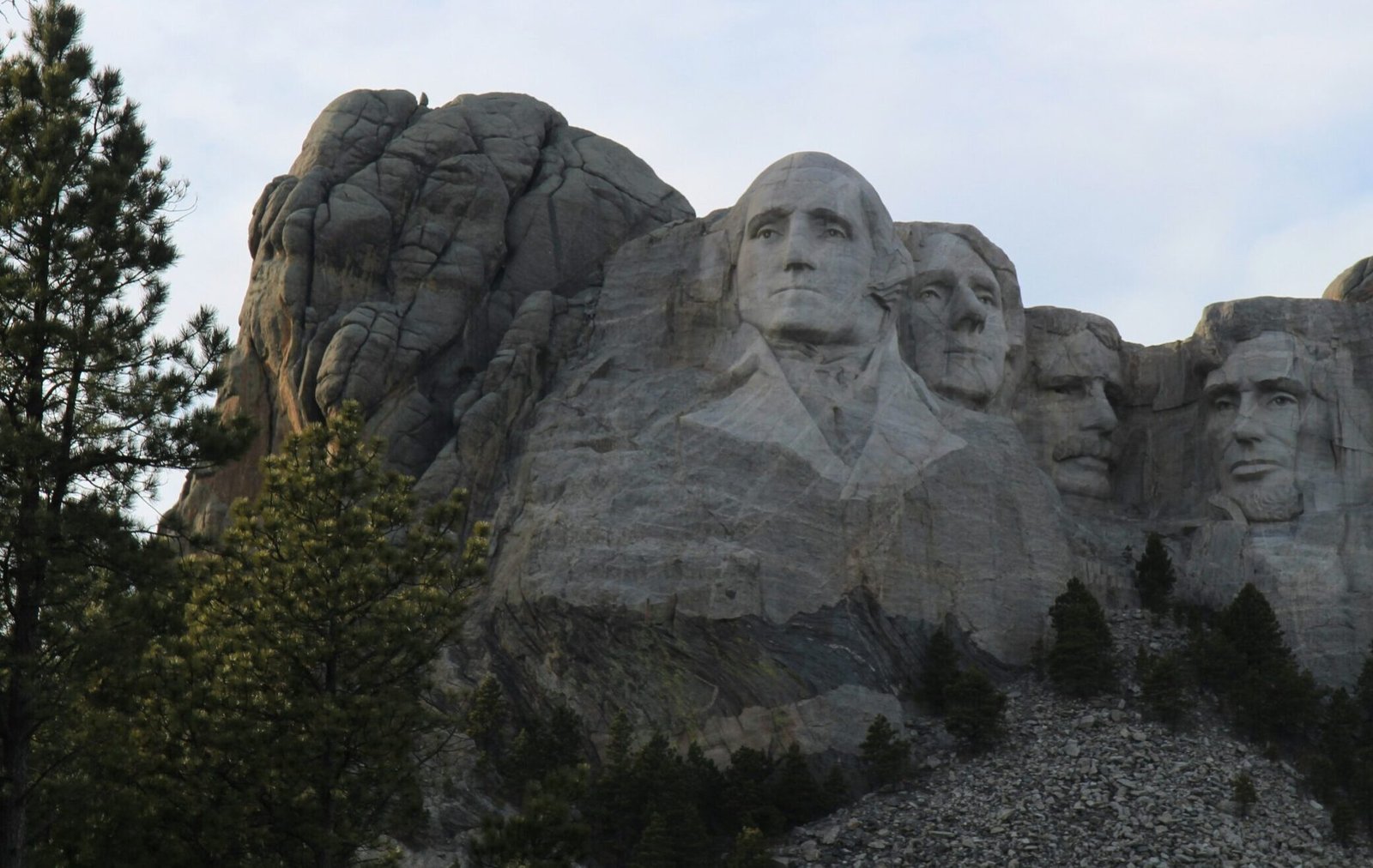
Introduction to the U.S. Presidency
The presidency of the United States stands as one of the most important roles within the nation’s government structure. Established by the Constitution, the presidency is the highest office in the executive branch, tasked with enforcing laws and ensuring the country functions smoothly. This role is not only pivotal in the development of domestic policy but also extends to foreign relations, defense, and representing the country’s values on a global scale. Understanding the significance of the presidency is crucial, especially for young learners who are beginning to explore the rich history of the United States.
The timeline of U.S. presidents provides an engaging way for kids to learn about various individuals who have shaped the nation through their leadership. Each president has left a unique mark on history, influencing the course of events through their decisions and actions. From George Washington, the first president, who set many precedents for the office, to modern leaders who face contemporary challenges, the diversity of experiences offers compelling stories that can spark interest in history.
In this colorful timeline, children will discover key facts about each president, including their significant contributions to the nation and memorable anecdotes that highlight their personalities. For example, they will learn how Abraham Lincoln abolished slavery and how Franklin D. Roosevelt led the nation during the Great Depression. By presenting these facts through an engaging format, kids can develop a fascination with history while discovering how each president has played a part in shaping the United States we know today. The timeline serves not just as an educational tool, but also as a means of connecting young minds with the past, and instilling a pride in their nation’s democratic heritage.
The Founding Fathers: The First Presidents
The early years of the United States were shaped by a series of remarkable leaders known as the Founding Fathers. Among them, George Washington stands out as the first president, serving from 1789 to 1797. Washington faced the immense challenge of uniting a diverse group of states, each with its own interests and concerns, into a cohesive nation. His leadership style was characterized by a commitment to democratic principles and the rule of law, which allowed him to set a significant precedent for future presidents.
Following Washington, John Adams took office as the second president. Adams was a fierce advocate for independence and played a critical role in drafting the Declaration of Independence. His presidency was marked by the challenges of foreign threats and domestic discord, particularly with the passage of the Alien and Sedition Acts, which were controversial. Despite these challenges, Adams is often celebrated for his dedication to promoting a fair government and for peacefully transferring power to his successor.
The third president, Thomas Jefferson, is best known for drafting the Declaration of Independence and for his visionary purchase of the Louisiana Territory, which effectively doubled the size of the nation. Jefferson’s commitment to individual liberties and educational reforms earned him a lasting legacy as a philosopher-president. His time in office also saw the Lewis and Clark expedition, which expanded American knowledge of the vast territories acquired through the Louisiana Purchase.
These early presidents faced unique challenges as the new nation struggled to define its identity and governance. Each individual brought distinct qualities to their role, significantly molding the framework of the U.S. government. Their unique contributions helped ensure the survival and growth of the nation during its formative years, laying the groundwork for future leaders to build upon.
The Expansion of the Nation: Presidents from 1800 to 1900
The 19th century was a crucial period in the history of the United States, marked by significant territorial expansion and pivotal events that shaped the nation. Presidents during this time played formidable roles in directing the nation’s growth and confronting pressing challenges. One of the noteworthy presidents of this era was Thomas Jefferson, who served from 1801 to 1809. Under his leadership, the Louisiana Purchase in 1803 doubled the size of the United States, acquiring approximately 828,000 square miles of territory from France. This acquisition not only expanded the nation’s borders but also sparked a wave of exploration and settlement, including the famous Lewis and Clark expedition.
Another monumental figure from this century was Abraham Lincoln, who led the country during its most tumultuous period, the Civil War (1861-1865). His presidency was marked by the struggle to preserve the Union and the efforts to end slavery. The Emancipation Proclamation in 1863, issued by Lincoln, declared freedom for all enslaved people within the rebellious states. This significant action signified a crucial turning point in American history, ultimately leading to the passage of the 13th Amendment, which abolished slavery in the United States.
In addition to Jefferson and Lincoln, this century saw other influential leaders such as James Monroe, who is renowned for the Monroe Doctrine, asserting the United States’ opposition to European colonialism in the Americas. Additionally, Ulysses S. Grant’s presidency following the Civil War was marked by efforts to integrate formerly enslaved individuals into society and uphold civil rights. These presidents collectively navigated the complexities of a growing nation, addressing not only territorial ambitions but also the socio-political ramifications of their policies. Such events and their outcomes forged the United States into a more expansive and complex nation.
The Age of Progress: Late 19th to Early 20th Century Presidents
The late 19th and early 20th centuries marked a significant period of change in the United States, characterized by presidents who championed progressive reforms. Among these leaders, Theodore Roosevelt and Woodrow Wilson stand out for their contributions to social and economic advancements that shaped modern America. Theodore Roosevelt, who served from 1901 to 1909, was known for his energetic approach and commitment to progressive values. One of his most notable achievements was the introduction of the Square Deal, a series of reforms aimed at curbing corporate power and protecting consumer rights. Roosevelt also emphasized the importance of environmental conservation, setting aside vast tracts of land to establish national parks and wildlife refuges.
Another key figure of this era, Woodrow Wilson, served as president from 1913 to 1921. He advocated for a series of reforms known as the New Freedom, which focused on reducing tariffs, reforming banking, and dismantling monopolies. Wilson’s presidency coincided with World War I, during which he played a crucial role in advocating for peace through his Fourteen Points, aimed at establishing a lasting framework for global diplomacy. His vision for a League of Nations after the war illustrated his commitment to international cooperation, although the U.S. Congress ultimately did not support it.
Fun facts about these presidents further illustrate their dynamic personalities. For instance, Theodore Roosevelt was an avid outdoorsman and even a published author, while Woodrow Wilson was an academic before his political career, having served as the president of Princeton University. Both men, with their distinct styles and ideas, contributed to the progressive movement that transformed the United States into a nation more concerned with social justice and economic equity. This era showcases how powerful leadership can bring about significant reforms that resonate through history.
America in the Mid-20th Century: Presidents During World Wars
The early to mid-20th century was a significant period in American history, particularly marked by two major global conflicts: World War I and World War II. The presidents who led the nation during these challenging times played crucial roles in shaping both domestic and foreign policies. This era saw the presidencies of Woodrow Wilson, Franklin D. Roosevelt, and Harry S. Truman, each leaving a lasting legacy.
Woodrow Wilson served as the 28th president during World War I, advocating for a peaceful resolution and promoting his vision of a League of Nations aimed at preventing future wars. Despite facing opposition at home, Wilson’s commitment to international cooperation laid the groundwork for future diplomatic efforts. His struggles with congress and the challenges of mobilizing a nation for war provide interesting insights into the complexities modern leaders face during times of conflict.
Franklin D. Roosevelt, often referred to as FDR, was president during the Great Depression and World War II, from 1933 until his death in 1945. His leadership style was characterized by his ability to communicate effectively with the American public, utilizing one of the first significant uses of radio through his “Fireside Chats.” Roosevelt’s decisions to support allied nations, through means such as Lend-Lease, were pivotal in shaping the global landscape. He overcame immense challenges to lead the United States through its entry into WWII after the attack on Pearl Harbor, proving to be a wary yet strategic leader.
Following Roosevelt, Harry S. Truman took office in 1945 and faced the formidable task of overseeing the final stages of World War II and the beginning of the Cold War. Truman’s decision to use atomic bombs on Hiroshima and Nagasaki has been subject to much debate but underscored the significant moral and ethical challenges that accompanied wartime leadership. His doctrine of containment was pivotal in addressing post-war international tensions.
The presidencies during these world wars not only illuminated the challenges of leadership under pressure but also allowed for moments of innovative policy and reform that impacted millions of Americans. Stories from their lives can inspire young readers to understand the complexities of governance during tumultuous times.
Modern Presidents: The Post-War Era to the 21st Century
The post-war era brought dramatic changes to the United States, with presidents who faced unique challenges and opportunities that shaped the nation. One of the most notable figures from this period is John F. Kennedy, who served from 1961 until his assassination in 1963. His presidency is often remembered for the Cuban Missile Crisis, a tense standoff between the U.S. and the Soviet Union, which brought the world to the brink of nuclear war. Kennedy’s famous call to explore space led to the Apollo missions, captivating the nation’s youth and inspiring a generation of future scientists and engineers.
Following Kennedy, Lyndon B. Johnson took office and launched the Great Society programs, focused on reducing poverty and expanding civil rights. His ambitious policies aimed to create equal opportunities for all Americans, a movement that resonated deeply during the cultural shifts of the 1960s and 1970s. Many kids today might relate to how legislation such as the Voting Rights Act of 1965 helped ensure that everyone could have a voice in democracy.
Moving into the 1980s, Ronald Reagan’s conservative approach positioned him as a major player in the Cold War’s conclusion. His charm and communication skills earned him the nickname “The Great Communicator.” Reagan’s economic policies, known as “Reaganomics,” aimed to reduce government spending and stimulate growth, which sparked discussions among families about finances. Many kids learn about Reagan’s focus on patriotism and his famous quote, “Mr. Gorbachev, tear down this wall!” during history lessons, symbolizing the end of divided Europe.
Entering the new millennium, Barack Obama made history as the first African American president, serving from 2009 to 2017. His presidency was marked by the Affordable Care Act, aimed at making healthcare accessible to millions. Additionally, Obama inspired youth involvement through the “Yes We Can” motto, encouraging kids to believe in their power to create change and excel in their dreams. These leaders have not only shaped policy but also connected deeply with American culture, making history relatable to younger generations.
The Fun Facts: Quirky Things About U.S. Presidents
American history is full of remarkable leaders, but beyond their political accomplishments, many U.S. presidents have fascinating and quirky anecdotes that add color to their legacies. For instance, did you know that Thomas Jefferson loved to entertain himself by playing the violin? Despite being a key figure in American history, he was quite the music aficionado and often hosted musical gatherings at the White House, showcasing his passion for composition and performance.
Similarly, President Calvin Coolidge was known for his unusual pet—a raccoon named Rebecca. Brought to the White House for Thanksgiving dinner in 1926, Rebecca was treated like a member of the family. This peculiar pairing demonstrates that even presidents share a love for animals, adding a unique charm to their personalities. The whimsical nature of such stories reminds us that the leaders of our nation were not just figures of authority but individuals with their own distinct interests and hobbies.
Additionally, some U.S. presidents had rather playful nicknames. For example, Franklin D. Roosevelt was affectionately referred to as “FDR,” which emphasizes his approachable and friendly nature. On the other hand, William Howard Taft was often called “Big Bill” due to his substantial size, which not only was a physical characteristic but also became a part of his identity during and after his time in office. Such monikers reveal the lighter side of presidential life and the connections they formed with the public.
Exploring the quirky facts about U.S. presidents enriches our understanding of history and makes it more enjoyable for children. These light-hearted anecdotes serve to humanize historical figures, allowing kids to see the range of personalities who have shaped the United States. Their unique quirks remind us that history is not merely a collection of dates and events; it is also about the individuals who influenced those moments.
Presidents and Their Legacy: Who Made a Difference?
The role of the President of the United States extends far beyond the confines of the White House; it encompasses the shaping of national policy and the embodiment of national values. Each president has left an indelible mark on history, and understanding their legacies invites reflection on how their decisions have influenced contemporary America. For children to grasp these complexities, it is essential to highlight both the achievements and challenges faced by different leaders throughout U.S. history.
Presidents like Abraham Lincoln and Franklin D. Roosevelt are often admired for their resilience during tumultuous times. Lincoln’s leadership during the Civil War and his dedication to the principles of equality fundamentally altered the trajectory of the nation. His Emancipation Proclamation not only freed enslaved people but also set a precedent for future civil rights advancements, making Lincoln an enduring symbol of justice and unity. On the other hand, Roosevelt navigated the nation through the Great Depression with bold economic reforms and social safety nets, demonstrating the power of decisive action in times of crisis.
These examples illustrate that effective leadership combines vision, empathy, and a commitment to the public good. Furthermore, presidents such as Theodore Roosevelt and John F. Kennedy exemplify the impact of charisma and communication in leadership. Roosevelt’s conservation efforts and Kennedy’s inspirational rhetoric surrounding the space race captured the imaginations of many, fostering a sense of national purpose. In contrast, presidents like Herbert Hoover remind us that decisions made in times of uncertainty can have lasting implications, emphasizing the importance of strategic thinking and public welfare in governance.
By analyzing these legacies, children can critically consider how the qualities of leadership and the choices made by past presidents relate to the challenges facing society today. Engaging with history in this manner helps to create informed and thoughtful citizens who recognize the significance of their government and the actions that shape their lives.
Interactive Activities: Learning Through Play
Engaging children in learning about the presidents of the United States can be both fun and educational through interactive activities. These activities not only enhance their understanding of history but also stimulate creativity and critical thinking. One effective method is creating a timeline craft. Children can construct a visual timeline that highlights key events during each presidency, using materials such as poster boards, colored markers, and stickers. This hands-on approach helps them to visualize the progression of U.S. history while developing their artistic skills.
Another exciting way to reinforce knowledge is through trivia quizzes. Parents and educators can design quizzes that focus on interesting facts about various presidents. For example, they might ask questions related to significant policies, personal anecdotes, or notable achievements. These trivia sessions can be conducted in a group setting, encouraging teamwork and healthy competition among peers. This interactive learning experience will enable kids to absorb information in a fun and enjoyable manner.
In addition, opportunities for storytelling and drawing can make history come alive. Children can be tasked with imagining conversations between different presidents or creating comic strips that depict pivotal moments in American history. This approach encourages them to think critically about historical events and consider multiple perspectives. By allowing kids to express their understanding creatively, they not only deepen their knowledge of U.S. presidents but also develop empathy and a broader worldview.
Overall, interactive activities such as timeline crafts, trivia quizzes, and creative exercises provide an engaging platform for children to learn about U.S. presidents. Through play, they can explore history beyond traditional learning methods, making it a memorable and enriching experience. These activities foster a love for learning and inspire a curiosity about the past, setting a solid foundation for future historical exploration.